
What to Check During a Property Site Visit
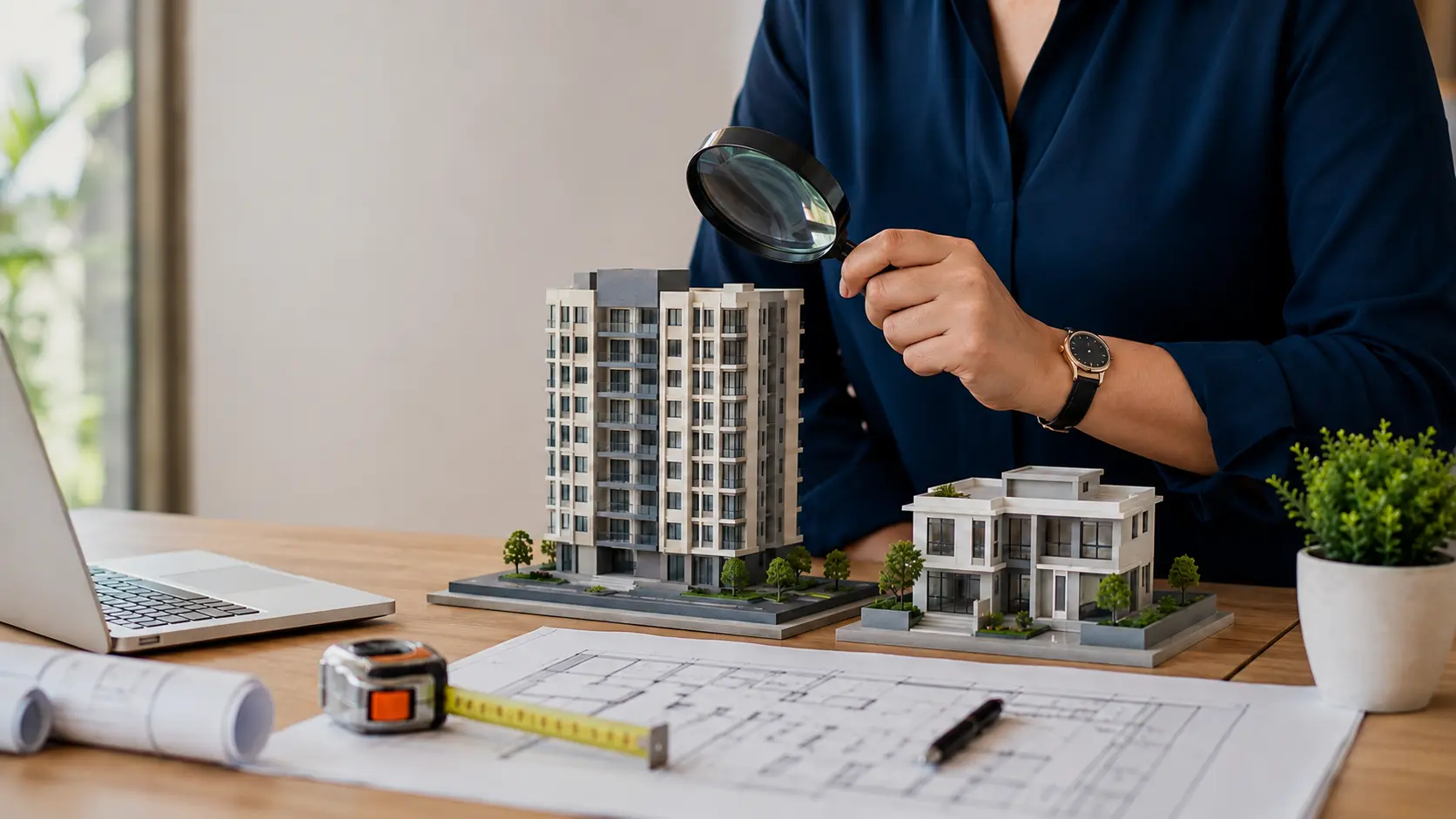
A property can make a strong first impression within minutes. The entrance looks impressive, the landscaping is fresh, the sample flat is beautifully furnished, and the sales presentation makes everything feel perfectly planned.
I have seen many buyers become emotionally certain at this stage—especially when they visit with family and everyone starts discussing furniture, balcony views or who will use which bedroom. That excitement is understandable. Buying a property is a significant personal milestone.
But a site visit should do more than create excitement. It should help you understand how the property will function on an ordinary day, what you are actually paying for and whether the project matches your long-term needs.
Whether you are buying property in Lucknow or exploring another growing Indian city, the following property site visit checklist will help you look beyond the presentation and examine what genuinely matters.
Check the Location Beyond the Map
Online maps are helpful for shortlisting properties, but they rarely tell the complete story of a location.
During the visit, observe the actual route leading to the project. Is the approach road properly developed? Is it wide enough to handle regular traffic? Understand the site visit checklist. A road that looks manageable on a quiet afternoon may become crowded during office hours or school timings.
If the property is in Lucknow, for example, do not assess connectivity only by how close it appears to a major road. Check how easily you can enter and exit the project, whether there are difficult turns or bottlenecks, and how the route behaves during peak hours.
Look at access to public transport as well. Even if you usually drive, other family members, domestic staff, office employees or future tenants may depend on autos, buses, metro connectivity or cabs.
. Consider the places you will need regularly:
. Workplace or business location
. Schools and colleges
. Hospitals and pharmacies
. Grocery markets and everyday shops
. Banks, public transport and fuel stations
Pay attention to safety, street lighting, noise and drainage. If possible, visit after rainfall or speak with people nearby about waterlogging. Also separate existing infrastructure from proposed infrastructure. A road, metro station or commercial hub shown in a presentation may still be at the planning or construction stage. Make your decision based primarily on what exists today, while treating future development as a possibility rather than a certainty.
Examine the Project’s Surroundings
The building or plotted development is only one part of your future environment. What surrounds it can affect your comfort, resale prospects and rental demand.
Walk or drive around the project boundary. Look for vacant land and ask what is permitted or proposed there. An open view today may not remain open if another building is constructed later. It is the main major point of site visit checklist.
Notice nearby industrial units, workshops, marriage lawns, crowded commercial areas, drainage channels, dumping grounds or high-tension electricity lines. These may create noise, traffic, odour, dust or visual concerns that are not obvious from inside the sales office.
Neighbouring development also provides useful clues. Are people already living and working in the area, or is the locality largely dependent on future projects? Neither situation is automatically good or bad, but you should know which one you are buying into.
For a commercial property, examine the surrounding business activity. Attractive architecture alone does not create customer movement. Road visibility, access, nearby residential population, parking and the nature of existing businesses may matter much more.
Verify the Project and Developer Details
A good site visit should include document-related questions, not just a tour of the property.
Start by checking whether the project is registered under RERA and review the available project information through the relevant official portal. Confirm that the details shown there correspond with the project being offered to you.
Buyers should also seek clarity regarding land ownership, sanctioned plans and necessary approvals. These are areas where professional guidance can be valuable. If you have doubts, consult a qualified property lawyer or another appropriate professional before making a financial commitment. A blog or sales explanation cannot replace independent legal due diligence.
Study the developer’s background beyond brochures. Visit a completed project if possible. Observe construction quality, maintenance and how the development looks after residents have moved in. Ongoing projects may also help you understand whether work is progressing consistently.
If a bank has approved the project for lending, that can be useful information, but it should not be treated as a substitute for your own checks. Every buyer’s transaction and circumstances are different.
At an under-construction site, compare visible progress with what has been communicated. Ask for the construction stage and expected schedule in writing rather than relying only on a verbal assurance.
Inspect Construction Quality Carefully
You do not need to be a civil engineer to notice basic signs of workmanship.
Look closely at the wall finish, flooring joints, doors, windows and fittings. Open and close doors to see whether they align properly. Check whether windows operate smoothly and appear adequately sealed. In bathrooms and utility areas, notice the slope of the floor and the placement of drains.
Look around corners, ceilings and external walls for signs of dampness, seepage, cracks or patchwork. Some minor surface issues may be repairable, but they should still be questioned rather than ignored.
Check the number and placement of electrical points. Think about where you would install air conditioners, appliances, televisions, internet equipment and charging points. Similarly, inspect plumbing locations, water pressure where possible and the practicality of kitchen and bathroom layouts.
Natural light and ventilation deserve attention at different times of day. A flat that looks bright under showroom lighting may feel very different without artificial lights.
Most importantly, ask whether you are viewing a sample flat or the actual unit. Sample flats often use carefully selected furniture, mirrors, lighting and interior upgrades to make rooms appear more spacious. Some finishes or fittings may not be part of the standard unit. Request a written list of specifications and confirm what will actually be delivered.
Understand the Actual Space
A large number printed on a brochure does not always tell you how much usable space you will receive.
In simple terms, carpet area is the space available for use within the internal walls of the unit, as defined in the applicable project documents. Other figures presented in marketing material may include additional components or shared areas. Ask the representative to explain each measurement clearly and show it in writing.
During the visit, focus on room dimensions rather than only the total area. Imagine placing a regular bed, wardrobes, a dining table, sofa and appliances in the available space. Will doors open comfortably? Is there enough walking room once the furniture is installed?
Check whether the balcony is genuinely usable or only visually attractive. Look for practical storage, kitchen counter space, utility areas and ventilation in bathrooms. Families should also consider privacy between bedrooms and noise movement within the home.
A well-planned smaller property may feel more comfortable than a larger property with awkward passages or unusable corners.
Review Amenities Realistically
Amenities can make a project appealing, but they should be judged by their usefulness—not by the length of the list.
Ask which amenities are already operational, which are under construction and which are currently planned. If a clubhouse, swimming pool, gym, children’s area or landscaped zone is shown in a model or brochure, find out where it will be located and whether the work is visible at the site.
Consider whether your family will actually use these facilities. A retired couple, a family with young children and a working professional may value completely different amenities.
Also ask how the facilities are likely to affect maintenance expenses. Amenities require staff, electricity, repairs and regular upkeep. The right question is not simply, “How many amenities are included?” It is, “Will these facilities improve my daily life enough to justify their ongoing cost?”
Check Parking and Internal Movement
Parking concerns often become noticeable only after a project is occupied.
Clarify whether parking is allotted, common, mechanical, open or covered, as applicable to the project. Ask how visitor parking will be handled. If basement parking is available, inspect the entry ramp, lighting, turning space and pedestrian access to the lifts.
Check how many lifts serve each tower or floor and whether there is an appropriate arrangement for service and emergency movement. Observe the width of internal roads, access for emergency vehicles and the ease with which cars can cross or turn.
For families with children or elderly members, pedestrian safety is especially important. See whether people can walk from the building to the gate, garden or parking area without constantly moving through vehicle traffic.
In a commercial project, examine loading, deliveries, customer drop-offs and access outside regular business hours.
Ask for the Complete Cost in Writing
The advertised amount may not represent the final amount payable.
Request a detailed written cost sheet that clearly lists the base price and every additional component applicable to the property. Depending on the project and transaction, these may include parking, floor or location-related charges, maintenance deposits, club-related charges, taxes, registration expenses or other stated costs.
Ask which amounts are included, which are payable separately and whether any charges can change at a later stage. Also understand the payment schedule, booking conditions and cancellation terms before paying a token amount.
Verbal calculations made during a site visit can be difficult to recall later. A written cost sheet allows you to compare properties on the same basis and discuss the purchase calmly with your family or financial adviser.
Imagine Daily Life After Possession
One of the most useful property inspection tips for buyers is also one of the simplest: imagine an ordinary weekday.
Where will you buy groceries at 8 p.m.? How long will the office commute feel after doing it every day? Can school transport reach the entrance comfortably? Will delivery executives find the building without difficulty?
If elderly parents will live with you, look at walking distances, lift access, seating areas and nearby healthcare. If you work from home, notice possible road noise, construction activity and internet availability in the locality.
For an investment property, imagine the same routine from a tenant’s perspective. A tenant may value dependable connectivity, essential shops and easy transport more than a decorative entrance.
This exercise brings the decision back to real life. A property should not only photograph well; it should make everyday routines manageable.
Speak With Residents and Local People
Sales representatives explain the project from the developer’s perspective. Local people can often explain how the area actually behaves, which is an important part of your site visit checklist.
If the project is occupied, speak politely with a few residents. Ask about water supply, electricity backup, security, maintenance responsiveness, lift performance and any recurring seepage or parking concerns. Include these questions in your site visit checklist to get a clearer picture of the property.
At a newer site, nearby shopkeepers, guards, drivers or existing property owners may offer useful observations about traffic, rainfall, local safety and neighbourhood activity. These are useful points to cover in your site visit checklist.Do not treat one person’s opinion as final. People can have personal biases. However, when the same issue is mentioned independently by several people, it deserves closer examination as part of your site visit checklist.
Questions to Ask During a Property Visit
Save these questions on your phone before leaving for the site:
. What is the exact carpet area of the unit?
. Which features shown in the sample flat are included in the standard property?
. Can I see the actual unit, floor or construction area?
. What is completed, under construction and only proposed?
. What approvals and project documents are available for review?
. What is the current construction stage and expected completion schedule?
. How will parking be allotted and managed?
. What are the expected maintenance arrangements?
. Are there any additional charges beyond the quoted amount?
. Can I receive the complete cost sheet and specifications in writing?
. What is planned on the neighbouring vacant land?
. What are the booking, payment and cancellation conditions?
. Who will manage the property after possession?
. Can I visit one of the developer’s completed projects?
These questions to ask during a property visit will help you compare different options more objectively.
Warning Signs That Should Not Be Ignored
Be cautious during your site visit checklist if project documents are unclear, unavailable or repeatedly postponed. The same applies when different representatives provide inconsistent information about the area, possession, specifications or total cost. A site visit checklist can help you identify such inconsistencies before making a decision.
Pressure to make an immediate payment is another warning sign. Limited inventory may sometimes be genuine, but urgency should never prevent you from reviewing documents and understanding the transaction. As part of your site visit checklist, make sure you have enough time to review everything carefully.
Pay attention if the team is unwilling to provide important commitments in writing, avoids showing the actual construction area or discourages you from seeking independent advice. These are important points to include in your site visit checklist.
Major differences between marketing material and the physical site should be questioned. So should verbal promises that sound unusually certain but do not appear in official documents. Your site visit checklist should help you compare what was promised with what you actually see on site.
A professional sales process should leave room for reasonable questions. If asking basic questions makes the conversation uncomfortable, slow down. A thorough site visit checklist can help you stay focused and make a more informed decision.
Final Thoughts on Site visit Checklist
Understanding to site visit checklist before buying property requires more than inspecting the building for an hour. You are evaluating the location, legal and project information, usable space, construction quality, overall cost and the experience of living or working there. Take photographs where permitted, write down answers and visit more than once if the decision is significant. Ideally, see the approach road during a busy period and take at least one family member whose daily needs may differ from yours.
A site visit is not meant to confirm that you already like the property. It is your opportunity to test whether the property deserves that confidence. The most impressive option is not always the right one. The right property is the one whose location, planning, cost and daily practicality continue to make sense after the presentation ends.
Check more blogs